
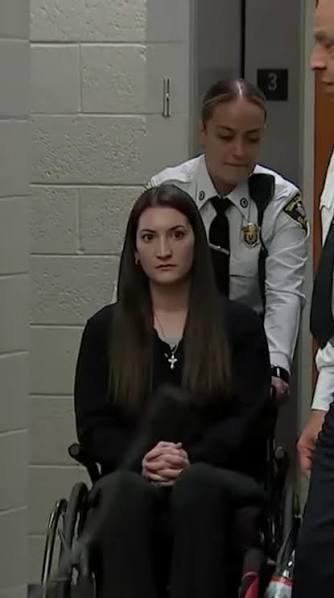




Where is Brittney McCormack? An Ongoing Search Four Years On From Hanover, MA
Hanover, MA – July 2021 marked the last known contact with Brittney McCormack, an individual whose disappearance from the quiet town of Hanover, Massachusetts, has since become a persistent and perplexing mystery. Nearly four years on, the question “Where is Brittney McCormack?” continues to resonate, leaving a void for her family and a complex, open case for law enforcement. This detailed account aims to provide researchers with a comprehensive overview of the circumstances surrounding her disappearance, the investigative challenges, and the enduring impact on the community.
The case of Brittney McCormack is a somber reminder of the thousands of individuals who go missing each year, often leaving behind a trail of unanswered questions and profound grief. Her last recorded presence in July 2021, originating from Hanover, MA, initiated a search that has yielded no definitive answers, transitioning from an active pursuit to a prolonged cold case. For researchers examining long-term missing person cases, the McCormack file offers insights into the complexities of investigations where initial leads fade, and the passage of time introduces new layers of difficulty.
The Last Known Contact: A Fleeting Glimpse

Brittney McCormack was last heard from in July 2021, with Hanover, Massachusetts, identified as her last known location. Specific details surrounding this final contact remain largely undisclosed by authorities, a common practice in ongoing investigations to protect the integrity of potential leads and avoid compromising sensitive information. What is known is that shortly after this period, concerns for her welfare escalated, prompting family members or close associates to notify local law enforcement.
The initial missing person report was filed with the Hanover Police Department. In such cases, the timeliness of reporting is crucial, as the initial hours and days often represent the most critical window for locating a missing individual. However, even with prompt reporting, the absence of a clear last sighting, a struggle, or a discernible motive can immediately elevate the difficulty of the investigation. For researchers, understanding the precise nature of the “last heard from” – whether it was a phone call, a text message, an in-person conversation, or a social media interaction – is vital, as each type of contact offers different data points for analysis. Without this public information, investigators are left to piece together a narrative from fragmented digital footprints and witness accounts, which often become less reliable over time.
Initial Investigative Efforts and Early Hurdles
Upon receiving the missing person report, the Hanover Police Department launched an immediate investigation. Standard protocols for missing person cases were activated, which typically include:
- Canvassing: Officers would have canvassed the areas surrounding Brittney’s last known location in Hanover, speaking with neighbors, local businesses, and anyone who might have seen or interacted with her.
- Digital Forensics: Investigations would have delved into her digital footprint, examining phone records (calls, texts, data usage), social media activity, email communications, and financial transactions. This often involves subpoenas to telecommunications companies and financial institutions.
- Interviews: Family members, friends, acquaintances, and any individuals known to have had recent contact with Brittney would have been interviewed extensively to establish a timeline, understand her routines, and identify any potential conflicts or changes in behavior.
- Physical Searches: Depending on the circumstances and any geographical leads, physical searches involving ground patrols, K9 units, and potentially aerial assets (drones, helicopters) would have been conducted in areas of interest within Hanover and surrounding towns. This often includes wooded areas, bodies of water, and abandoned structures.
A significant challenge in cases like Brittney McCormack’s is the absence of a “hot scene.” Unlike cases involving a crime scene, where forensic evidence might be readily available, disappearances without clear indicators of foul play or struggle often lack physical evidence to guide investigators. This necessitates a broader, more speculative approach, relying heavily on witness testimony and digital trails, which can be elusive. For researchers studying police methodology, this case exemplifies the resource-intensive nature of missing person investigations, even when concrete leads are scarce. The allocation of personnel, technology, and time often strains local police departments, necessitating collaboration with state agencies like the Massachusetts State Police.
The Enduring Community Impact and Family’s Advocacy
The disappearance of a community member, particularly one without a clear explanation, invariably casts a long shadow. In Hanover, a town known for its close-knit community, Brittney McCormack’s absence has fostered a persistent sense of unease and a collective desire for answers. While the initial flurry of media attention may have subsided, the case remains an open wound for her family and friends.

Her family has been a relentless force in keeping Brittney’s name and face in the public eye. Their efforts, often fueled by personal grief and unwavering hope, highlight the critical role families play in long-term missing person cases:
- Public Awareness Campaigns: Through social media platforms, local flyers, and engagement with local news outlets, the family has consistently appealed to the public for information. These campaigns are crucial for maintaining visibility for missing individuals, especially as the initial investigative leads cool.
- Organized Searches and Vigilantes: While official searches may scale back over time, families often organize their own search parties, enlisting volunteers to scour areas of interest. This community mobilization demonstrates the profound impact of such disappearances on local populations.
- Collaboration with Advocacy Groups: Families frequently connect with national and local missing persons organizations (e.g., NamUs – National Missing and Unidentified Persons System, The Doe Network, or state-specific advocacy groups). These organizations provide support, resources, and help in disseminating information to a wider audience, increasing the chances of a tip.
For researchers interested in the psycho-social aspects of long-term disappearances, the McCormack case underscores the profound and continuous emotional toll on family members, who live in a perpetual state of limbo, oscillating between hope and despair. Their resilience and persistent advocacy are vital for maintaining public and investigative interest in cases that might otherwise fade into obscurity.
Investigative Dead Ends and Unanswered Questions
As the years pass, the initial promising leads often dissipate, and investigators are left with a collection of explored avenues and a multitude of unanswered questions. In Brittney McCormack’s case, while authorities have not publicly detailed specific dead ends, the lack of resolution suggests several common challenges faced in similar cold cases:
- Absence of a “Smoking Gun”: There has been no indication of a crime scene, no body discovered, and no clear signs of a struggle or forced abduction. This prevents investigators from narrowing down theories and focusing resources on a specific type of event.
- Limited Digital Footprint: While digital forensics are crucial, if Brittney ceased using her devices or those devices were not recovered, the trail quickly goes cold. Similarly, if her personal life involved individuals who were uncooperative or offered misleading information, the investigative path becomes obscured.
- Theories Explored: Investigators would have considered various possibilities, including:
- Voluntary Disappearance: While often the first consideration, evidence supporting this would typically involve continued digital activity, financial transactions, or communication with others. The absence of such signs makes this less likely over time.
- Accident: An accidental death, particularly in a remote or natural area, is always a possibility. Extensive ground and aerial searches aim to rule this out, but vast areas and challenging terrain can make discovery difficult.
- Foul Play: This remains a strong possibility in many unresolved disappearances, but without a body or specific evidence of a crime, identifying perpetrators becomes exceedingly difficult.
The core frustration for investigators lies in the absence of a critical piece of information that could definitively point towards one scenario or another. This often necessitates a multi-disciplinary approach, revisiting old leads, developing new analytical tools, and leveraging advancements in forensic science and data analysis.
A Call for Researchers and Future Directions
The unresolved disappearance of Brittney McCormack from Hanover, MA, in July 2021, presents a compelling case study for researchers across various disciplines:
Criminology and Law Enforcement: Examine the investigative methods employed, the challenges of evidence collection in no-body cases, and the factors that contribute to cases becoming cold.
Sociology and Community Studies: Analyze the long-term impact of such disappearances on small communities, the role of social media in missing persons cases, and the dynamics of family advocacy.
Psychology: Explore the psychological toll on family members and the community, and the coping mechanisms employed in the absence of closure.
Researchers may find value in analyzing publicly available information: local news archives, police appeals , and social media groups dedicated to Brittney’s search. While official police files are confidential, aggregate data on missing person cases, investigative best practices, and the allocation of resources can provide valuable context.
The Hanover Police Department, in collaboration with the Massachusetts State Police, continues to list Brittney McCormack as a missing person. Every piece of information, no matter how seemingly insignificant, could be the key to unlocking this enduring mystery. Researchers or individuals with any information that could aid in locating Brittney McCormack are urged to contact the Hanover Police Department at (781) 826-2335 or the Massachusetts State Police. The hope remains that one day, the question of where Brittney McCormack is will finally be answered, bringing a measure of peace to her family and closure to a community that remembers.
she also frequented Brockton, Rockland, Abington, and Hull.
Views: 1
About the Author

Discover more from Plimoth today
Subscribe to get the latest posts sent to your email.


